Question; What is the formula in crafting a perfect live-action adaptation to an animation hit? Is it translating beat-for-beat every detail from the source material, like multiple anime-to-live action films Japanese studios continuously produce? Is modernizing the material always going to be a bad way to go, like Dragon Ball Evolution. For North American adaptations, fans and critics never seem to be satisfied with the “love letters” to popular series produced by directors, breathed to life by all-star casts, and paid for with seven-to-eight-digit budgets just to get every single detail just right. Even with the streaming platform we’re talking about today, the live action Cowboy Bebop was an ambitious endeavor to bring to small screens around the world, only to have half the reception returned after all the hype through previews and millions of social media accounts worldwide.
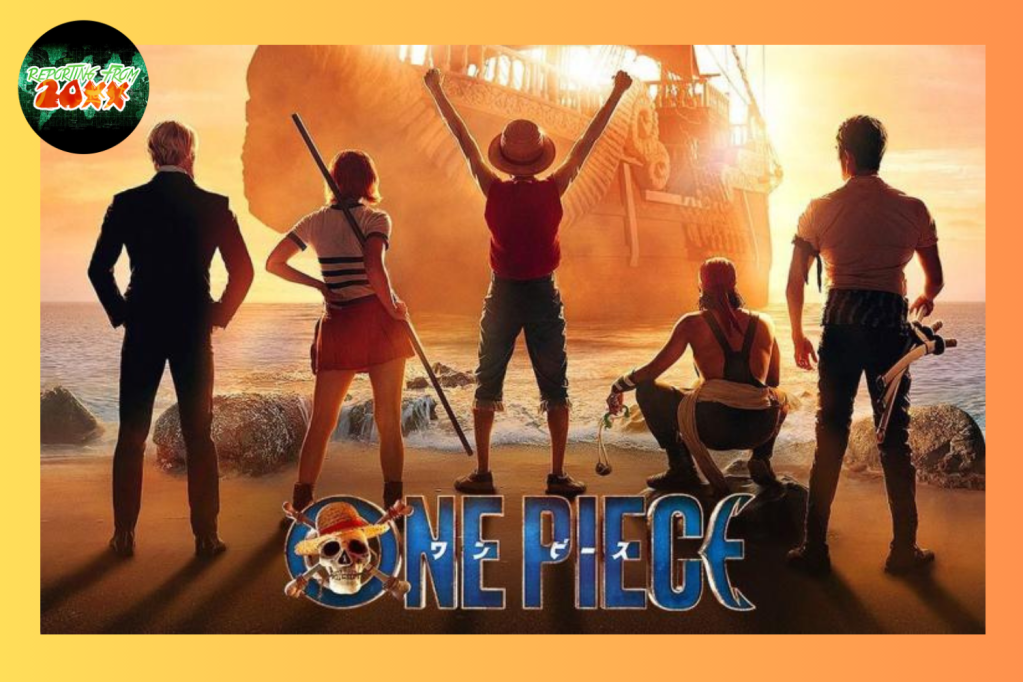
So, to a story that has over a thousand manga chapters and television episodes each, along with decades of lore and nuance, can Netflix’s One Piece be the property to show that, despite every attempt that came before it, this will be the exception and proof that an overseas adaptation can get it right?
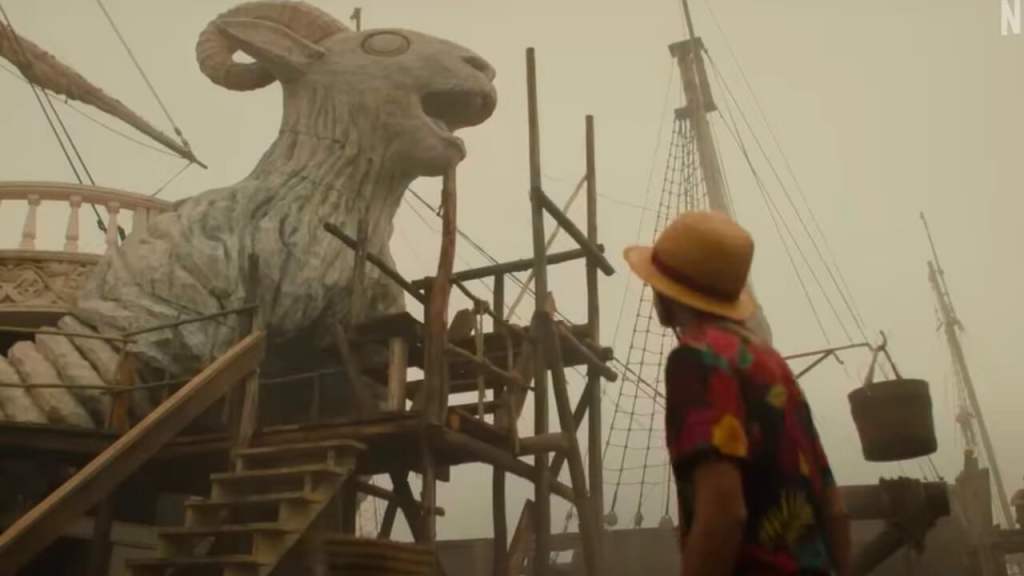
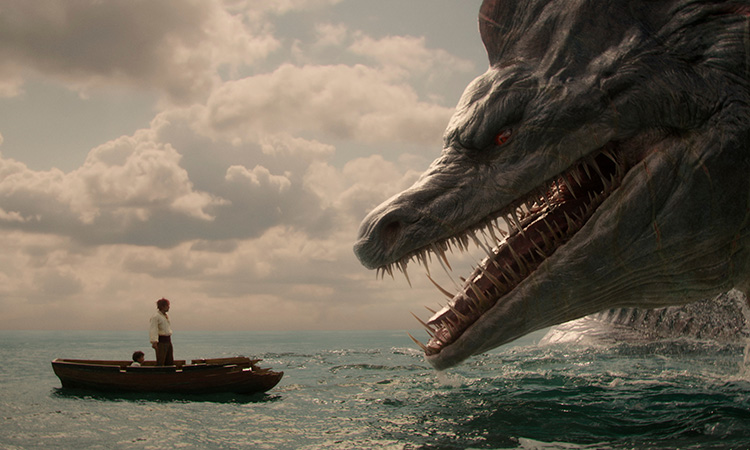
Thankfully, for the super-fan writing this, the answer is yes, but Netflix, with direct supervision from creator Eiichiro Oda, takes much of what was attempted in translation before and tosses it in the trash. Netflix’s One Piece, for season one, covers most of the East Blue arc, where Straw Hat captain Monkey D. Luffy recruits his first four crew members while making a break for the Grand Line, beginning his aspirations toward becoming the Pirate King. From the 95 story chapters covered in the manga, the show covers many of the same beats, including how each member is convinced to join up, the colorful antagonists that the crew has to prove itself against, and each set piece location, ship and villages, beautifully depicted in gorgeous detail.
That however, is where the similarities end, and where the show finds a way to succeed against its predecessors. Our previous example, Cowboy Bebop, was also a great adaptation of the source material, and because of its looseness with the stories it told, One Piece can rise higher through its efforts. From Luffy’s backstory and arriving at Shells Town forward, each arc, told over hour-long episodes, is completely remixed in their depiction to television. Fans of the series from the beginning will immediately notice that none of the episodes match the material as it was originally written. However, guided by Oda, many of the important story beats remain intact.
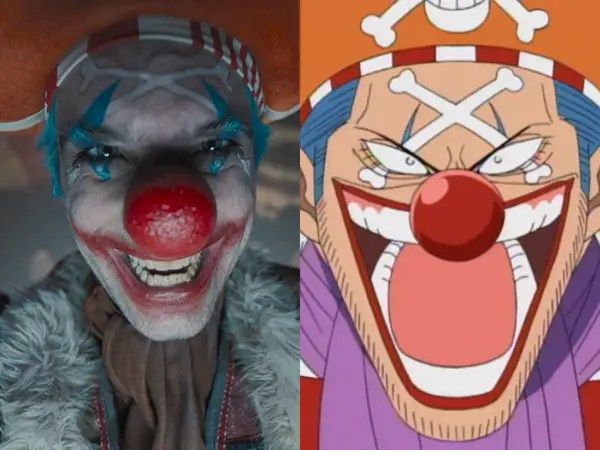
Where in the source material we may get more movement over each setting, the live-action adaptation narrows each for a more controllable set. Buggy The Clown’s personality glows a bit more, not just by how the character’s self-importance with a side of dark humor is articulated from Jeff Ward’s performance, but by the fact that 99% of the Orange Town arc takes place under his crew’s big-top tent. The interactions and fights with Captain Kuro during Usopp’s recruitment happen mainly at Kaya’s mansion, while audiences only get quick looks at Syrup Village. Due to the fact the story can’t be completely translated, broad strokes are used to keep longtime fans in with the story, all the while making sure new watchers still get the full effect of the emotional beats originally written.
From the changes made, we’re invited to bigger scenes we’ve only had hints or scraps at in the original story. Zoro’s bagged bounty in Shells Town when we first see him at the bar is preceded by a fight with a Baroque’s Works member, teasing both his skills as a fighter as well as what future seasons could hint at. Vice Admiral Garp’s training of Koby, Luffy’s first companion, and Helmeppo, Captain Morgan’s son, is greatly expanded on in excitable and heartfelt moments, as the duo learns how to be marines while pursuing our iconic crew. Even the East Blue antagonists for the most part get to be more than one-time one-note issues for the Straw Hats, with each getting hinted at episodes away from their big entrances. I have read the manga and watched the anime for longer than I care to admit, but every change, big or small, lights my passion for the material on fire, and likewise for the rest of the audience gives us something more to take in.
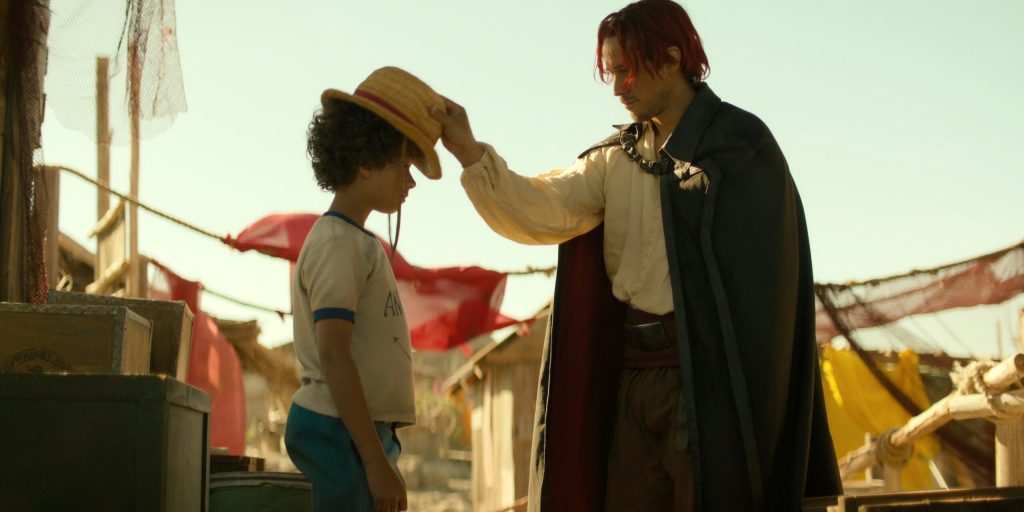
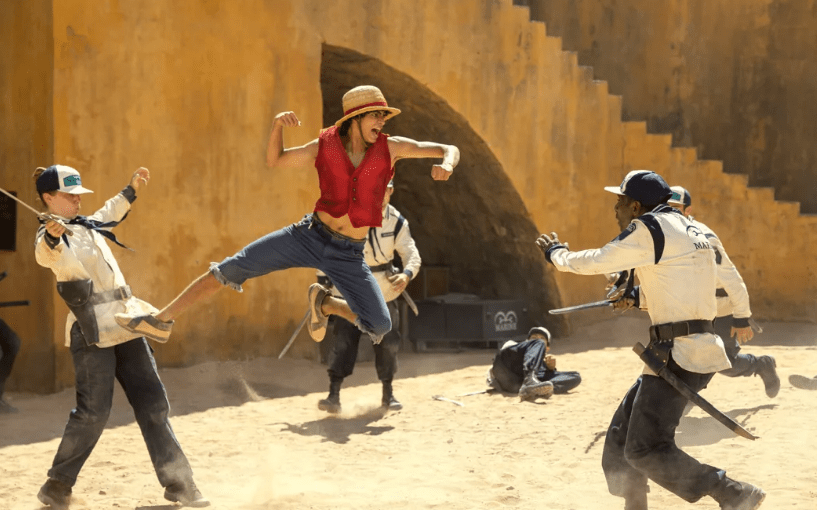
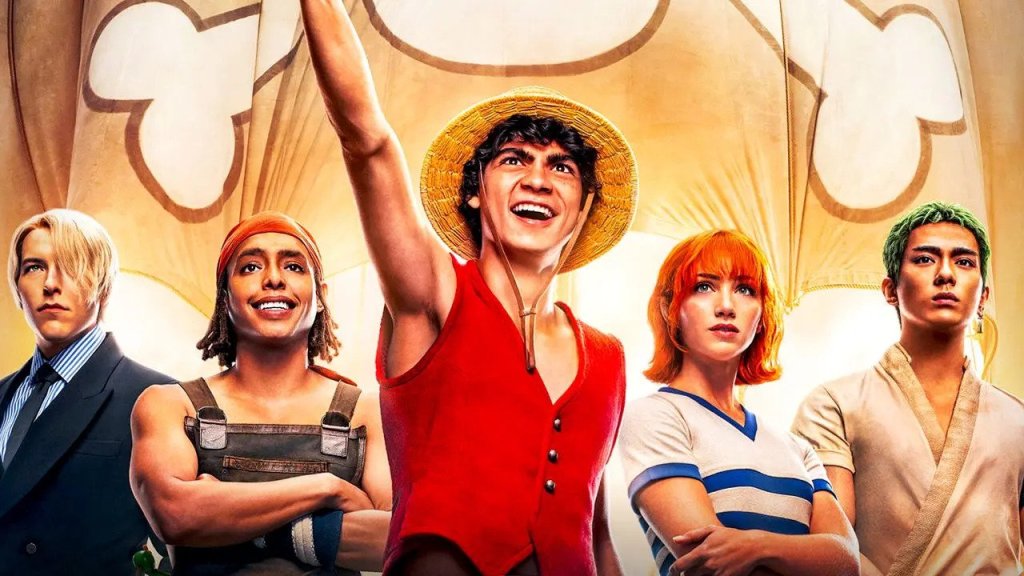


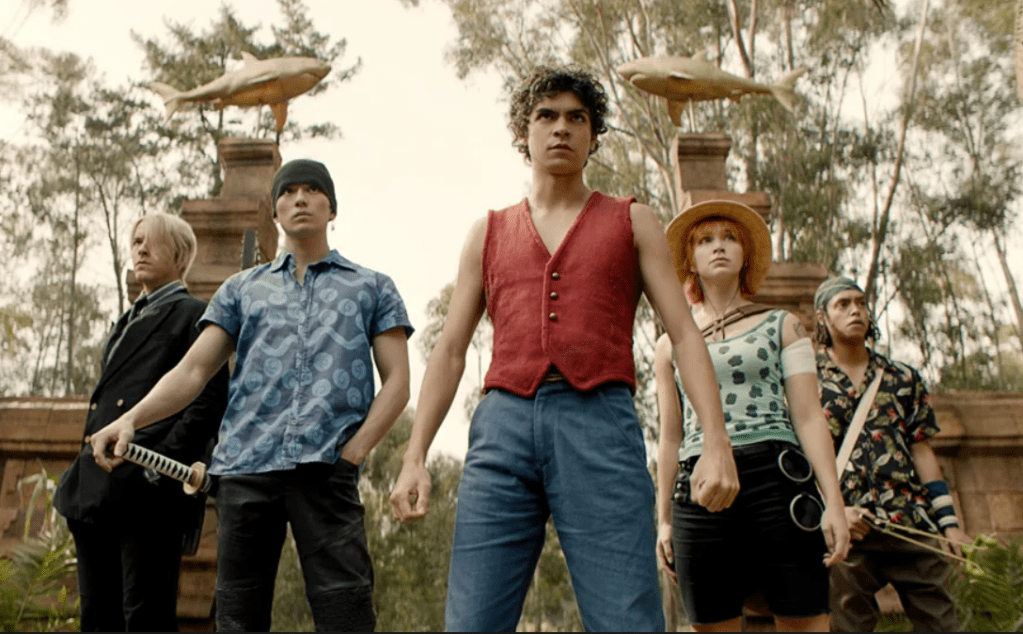
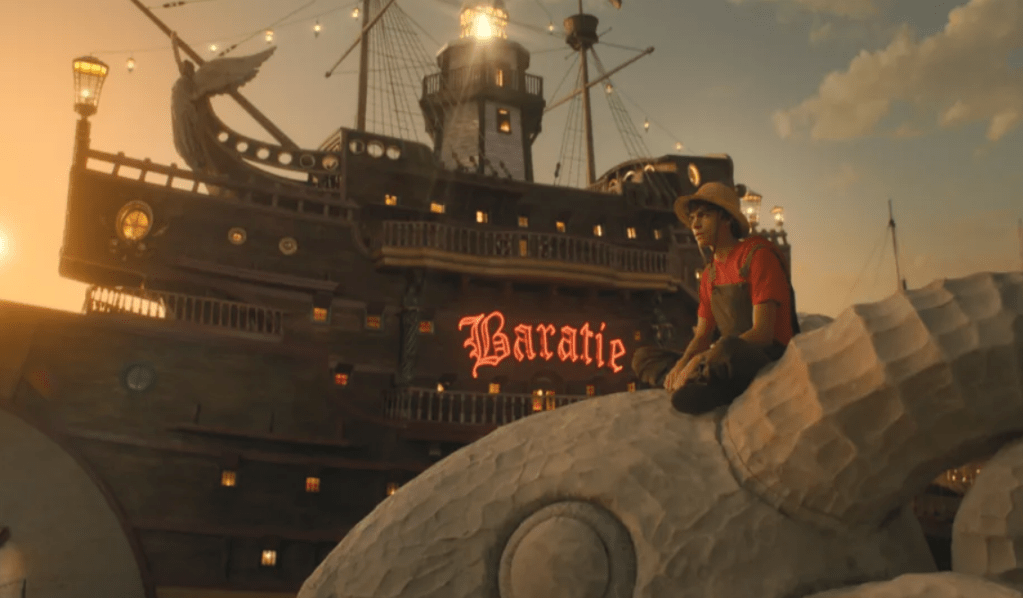
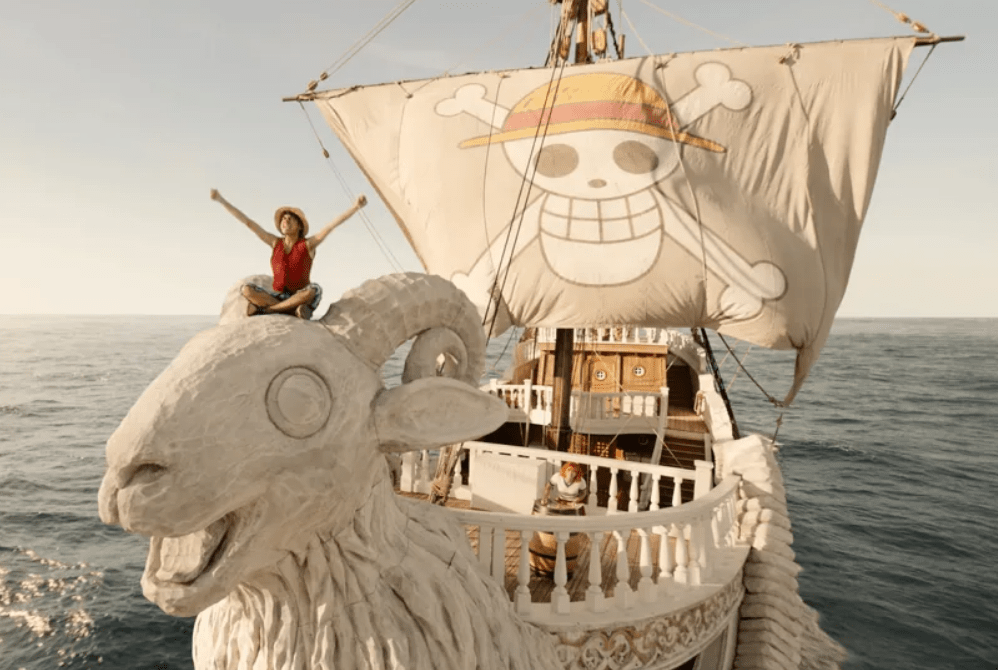
Inaki Godoy, as Luffy, is as ambitious as he is naïve and constantly excitable. The love Luffy has for the people around him, along with his ideas of what piracy should be, can come across occasionally hokey, but somehow believable through Godoy’s interpretation. Roronoa Zoro, played by Mackenyu, still holds the sense of determination through his goal of being the greatest swordsman while also being the direct opposite to Luffy’s demeanor, including his lack of navigational direction. The comradery amongst the rest of the core members Emily Rudd (Nami), Jacob Gibson (Usopp), and Taz Skylar (Sanji) doesn’t have as much time to resonate, with time divided amongst the eight episodes for season 1 being so limited, but the different interpretations of certain arcs add in a little more dramatics to certain events and scenes that strive to give reason for the quick bonds via the “Band of Brothers” approach.
When the Netflix One Piece adaptation was announced, there was a lot to be fearful of. With a long, long line of tried translations from anime to live action in the past for English-speaking audiences, it is easy to jump to the worst conclusions. Netflix itself has tried a few times in the past, with Death Note coming before Cowboy Bebop as a passioned project, but failing to capture the spirit of the material, even with Willem Dafoe giving it his all. However, it is now clear that any mistakes made previously have been considered, and with the direct guidance by the creator, a curse on North American adaptations may have been finally lifted. Just maybe, it’s finally the Romance Dawn for better anime to live-action treatments.
If you liked what you read here, leave us a Like or a Comment, and consider Subscribing for weekly updates on here as well as on our Facebook page, Twitter (@channel_20xx), and our Instagram (@channel_20xx).
 Entertainment + Culture Coverage of Independent Media from CLT & Beyond
Leave a comment